💡 Why This Matters
In Lesson 1, we talked about the coliving opportunity in theory. Now it's time for proof.
The case studies below are based on real properties in real markets. The numbers aren't hypothetical, they're what investors are actually achieving right now.
As you read through each one, pay attention to the patterns. What makes these deals work? How do they compare to traditional rentals? What would be possible if you had just one or two properties like these?
📊 Case Study #1: The Basement Conversion
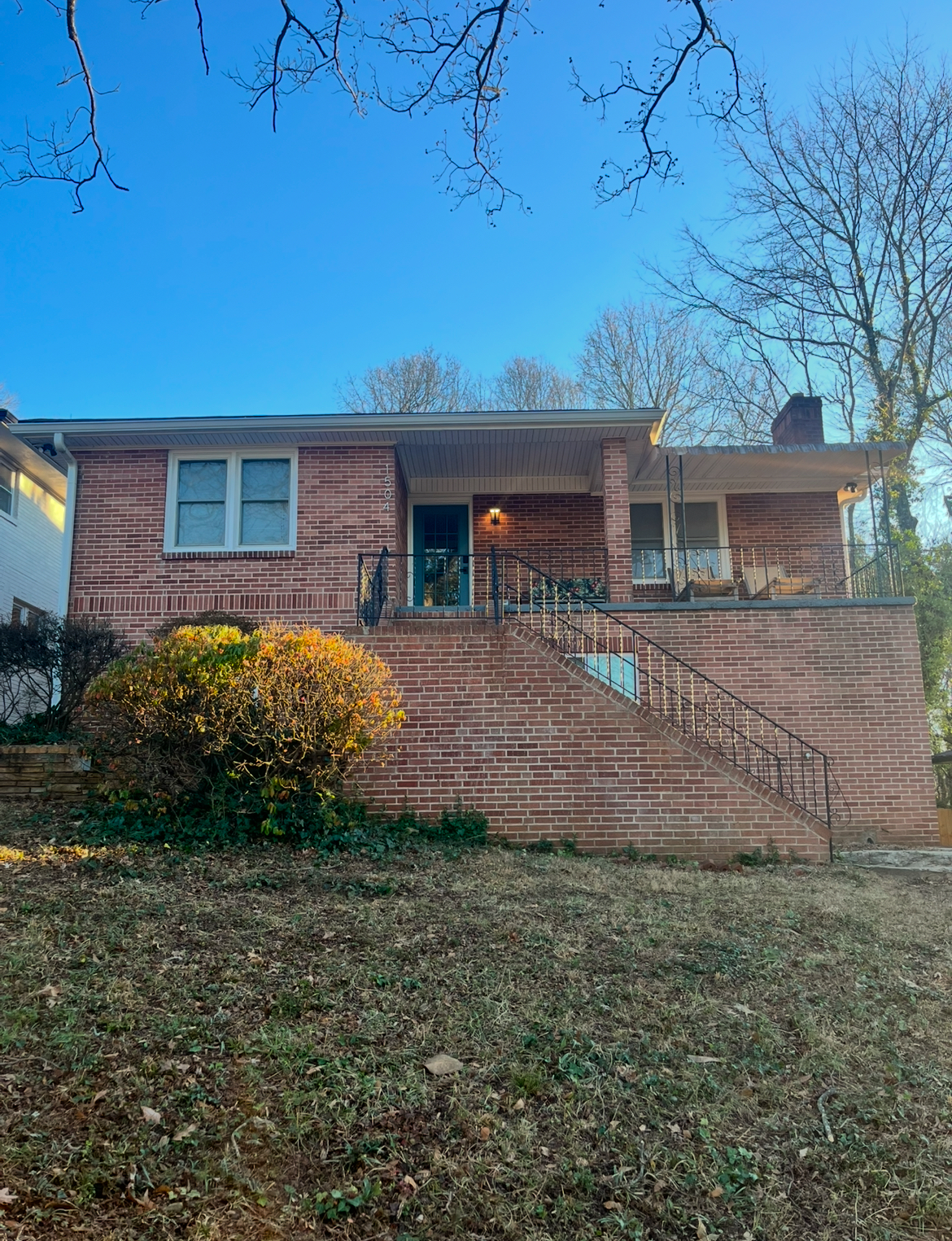
The Property
A 1960s brick bungalow sitting on a full basement. Originally a 3-bedroom, 2-bathroom home. Converted into an 8-bedroom, 8-bathroom coliving asset. Near public transportation, the central business district, and major employment centers.
The Numbers
Coliving vs. Traditional Rental
| Traditional Rental | Coliving (PadSplit) | |
|---|---|---|
| Monthly Rent | $1,500 | $8,667 (8 rooms x $250/week) |
| Platform Fee (12%) | $0 | -$1,040 |
| Net Rent to Owner | $1,500 | $7,627 |
| Mortgage (P&I) | -$3,150 | -$3,150 |
| Taxes & Insurance | -$350 | -$350 |
| Utilities (owner-paid) | $0 | -$850 |
| Maintenance Reserve | -$150 | -$300 |
| Monthly Cash Flow | -$2,150 | $2,977 |
| Annual Cash Flow | -$25,800 | $35,724 |
| Cash-on-Cash Return | Negative | 44.7% |
This property would lose $2,150 per month as a traditional rental. As a coliving asset, it generates nearly $3,000 per month in cash flow. The basement conversion added 5 bedrooms and 6 bathrooms, turning an outdated bungalow into a cash-flow machine. The $160,000 renovation pays for itself in under 5 years from the additional income alone.
What Made This Work
- Full basement: The existing basement provided the space to add 5 bedrooms without expanding the footprint
- Location: Near public transit, central business district, and employment centers. Workers can get to their jobs without a car
- Room-level bathrooms: Every bedroom has its own bathroom, which commands higher rents and eliminates roommate conflict over shared spaces
- Price point: At $250/week per room, tenants pay roughly $1,083/month for a private room with private bath. That is significantly less than a 1-bedroom apartment in the area
- Scale: 8 rooms means if one tenant leaves, you only lose 12.5% of income while the other 7 cover all expenses
📊 Case Study #2: The Suburban Workhorse
The Property
A 1960s-era 4-bedroom, 2-bathroom ranch on a quiet residential street. 1,400 square feet. Near public transit and a major distribution center (Amazon fulfillment).
The Numbers
Coliving vs. Traditional Rental
| Traditional Rental | Coliving (PadSplit) | |
|---|---|---|
| Monthly Rent | $1,450 | $2,600 (4 rooms × $650) |
| Platform Fee (12%) | $0 | -$312 |
| Net Rent to Owner | $1,450 | $2,288 |
| Mortgage (P&I) | -$980 | -$980 |
| Taxes & Insurance | -$280 | -$280 |
| Utilities (owner-paid) | $0 | -$350 |
| Maintenance Reserve | -$100 | -$150 |
| Monthly Cash Flow | $90 | $528 |
| Annual Cash Flow | $1,080 | $6,336 |
| Cash-on-Cash Return | 2.9% | 16.9% |
Same property. Same mortgage. The coliving strategy generates 5.8x more cash flow. The difference is purely in how the property is operated.
What Made This Work
- Location: Near major employers (Amazon, airport) with workers who need affordable housing
- Layout: All bedrooms accessible from common areas (no pass-through rooms)
- Price point: Low enough purchase price to support the math
- Room rents: $650/week is affordable for workers earning $15-20/hour
📊 Case Study #3: The Value-Add Play
The Property
Originally a 3-bedroom home with an unfinished basement and bonus room. The investor converted it to 5 legal bedrooms by finishing the basement (added 2 bedrooms + bathroom) and converting the bonus room.
The Numbers
Coliving Performance
| Item | Monthly Amount |
|---|---|
| Gross Rent (5 rooms × $675) | $3,375 |
| Platform Fee (12%) | -$405 |
| Net Rent to Owner | $2,970 |
| Mortgage (P&I @ 7.5%) | -$996 |
| Taxes & Insurance | -$310 |
| Utilities | -$425 |
| Maintenance Reserve | -$175 |
| Monthly Cash Flow | $1,064 |
| Annual Cash Flow | $12,768 |
| Cash-on-Cash Return | 26.9% |
The $48,000 renovation added 2 bedrooms, generating an additional $1,350/month in rent. That's a 33% return on the renovation investment alone. Value-add coliving amplifies returns significantly.
What Made This Work
- Undervalued property: Priced low because it was outdated and had "weird" layout
- Conversion potential: Basement had egress windows (legal bedrooms possible)
- Zoning: Area allows room rentals without special permits
- Room rate optimization: Slightly higher rents ($675 vs $650) because of better finishes
📊 Case Study #4: The Self-Managed Approach
The Property
A large 6-bedroom, 3-bathroom split-level home. The investor chose to self-manage instead of using PadSplit, marketing rooms directly on Facebook Marketplace and Roomies.com.
The Numbers
Self-Managed Coliving Performance
| Item | Monthly Amount |
|---|---|
| Gross Rent (6 rooms × $625) | $3,750 |
| Platform Fee | $0 (self-managed) |
| Mortgage (P&I @ 7.25%) | -$1,162 |
| Taxes & Insurance | -$340 |
| Utilities | -$520 |
| Maintenance Reserve | -$200 |
| Property Manager (part-time) | -$300 |
| Monthly Cash Flow | $1,228 |
| Annual Cash Flow | $14,736 |
| Cash-on-Cash Return | 34.6% |
Self-managing saves the 12% platform fee but requires more hands-on work (or paying a property manager). This investor hired a part-time PM for $300/month and still came out ahead. The right choice depends on your time, market, and preferences.
What Made This Work
- Larger property: 6 bedrooms provides more income streams
- No platform fees: 12% savings on $3,750 = $450/month
- Local PM: Hired a part-time manager for showings and tenant issues
- Direct marketing: Facebook Marketplace + Roomies.com filled all rooms in 3 weeks
🔍 Patterns Across All Case Studies
Looking at these three properties, some patterns emerge:
✅ What Works
- Purchase prices under $250K in most markets
- 4-6 bedrooms (sweet spot for cash flow)
- Near job centers (warehouses, hospitals, airports)
- Room rents at 25-30% of local 1BR apartment rent
- Properties where conversion adds rooms
❌ What Doesn't Work
- Properties priced too high for the rents
- 2-3 bedroom homes (not enough rooms)
- Affluent areas with no workforce housing demand
- Markets with anti-coliving zoning
- Properties with bad layouts (pass-through rooms)
🧮 What Could Your Numbers Look Like?
Let's put this in perspective. If you acquired just 3 properties performing like Case Study #1:
And if you acquired 3 properties performing like Case Study #3:
5 properties × $1,000/month cash flow = $5,000/month = $60,000/year in passive income. That's the power of coliving. You don't need 50 properties. You need 5 good ones.
✅ Action Steps
- Complete the Motivation Journal (linked below). Document why these case studies resonate with you and what they mean for your goals.
- Calculate your target: How many properties would you need to reach your monthly cash flow goal?
- Research your market: What are room rents and home prices in your target area? Start getting a feel for the numbers.
📌 Key Takeaways
- Real coliving properties generate 15-35% cash-on-cash returns
- The same property can produce 5-6x more cash flow with coliving vs. traditional rental
- Value-add conversions (adding bedrooms) amplify returns significantly
- Both platform-managed and self-managed approaches work
- 5 good coliving properties can replace a full-time income
- Success patterns: workforce areas, 4-6 bedrooms, good layouts, reasonable prices